
Polystyrene Foam Blocks
Expanded Polystyrene starts as tiny beads of raw material, expanded with steam and fused together under pressure into solid polystyrene blocks. The result is a rigid, closed-cell foam that’s roughly 98% air by volume, which is exactly why it insulates so well, weighs next to nothing, and still handles compressive loads when the density is right.
At Enviroclad, we produce our own EPS in Berri, South Australia, and shape it to meet your requirements.
Blocks, Sheets, Profiles, CNC: Four Ways to Get What You Need
Our EPS production starts with full-size expanded polystyrene blocks, which we then process into:
Produced in a range of densities and dimensions to suit structural, insulation, or packaging applications.
EPS blocks sliced to specified thicknesses via hot wire cutting, used for wall insulation, underfloor insulation, packaging liners, and protective layering.
Custom shapes and profiles cut to precise dimensions for packaging inserts, architectural mouldings, product protection, and bespoke void filling.
Precision cutting for projects requiring tight tolerances and complex geometries beyond the capability of standard hot wire processing.
BROCHURES &
TECHNICAL
DOCUMENTS
Waffle Pod Slab System Brochure
Waffle Pod Mesh Rail Brochure
Big Mouth 4 Way Spacers Brochure
Where Do EPS Bricks End Up?
More places than you’d think:
- Under roads and behind retaining walls: As a lightweight geofoam fill that takes pressure off substructures.
- Inside concrete pours: As void formers in concrete slabs that displace unnecessary material.
- Around fragile goods: Profile-cut packaging that absorbs impact and holds products in place during transit.
- On building sites: Sub-slab insulation, thermal breaks, and complementary products alongside our insulated wall panels and insulated roof panels.
- In shopfronts and at events: Dimensional signage, display props, and decorative features.
- On rooftops and in garden beds: Lightweight fill for green roof systems and raised planters.


Not All EPS Foam Blocks are the Same Density
The density of an expanded polystyrene block determines its compressive strength, thermal performance, weight, and suitability for the intended application.
Lower-density expanded polystyrene blocks are appropriate for packaging and lightweight fill, while higher-density polystyrene blocks are specified for structural and load-bearing applications in civil and commercial construction.
Enviroclad manufactures across a range of densities. Our in-house engineer and technically experienced management team can advise on the correct specification based on the actual demands of your project.
Why Polystyrene Foam Blocks are the Industry Standard
Polystyrene foam blocks cost less than most alternative materials for equivalent applications, and because they weigh almost nothing, they’re faster to handle and position on site.
EPS does not absorb water, does not rot, is resistant to mould growth, and will not attract termites. It holds its shape and dimensions for the life of the structure – a durable, stable material despite being composed almost entirely of air.
Gallery
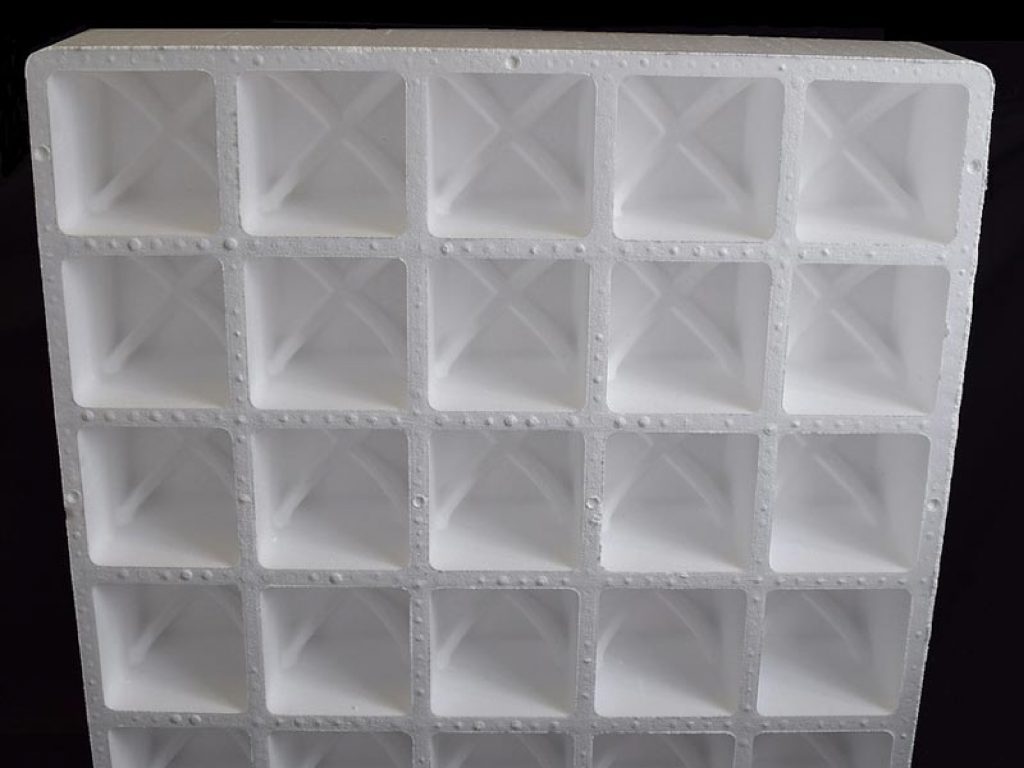
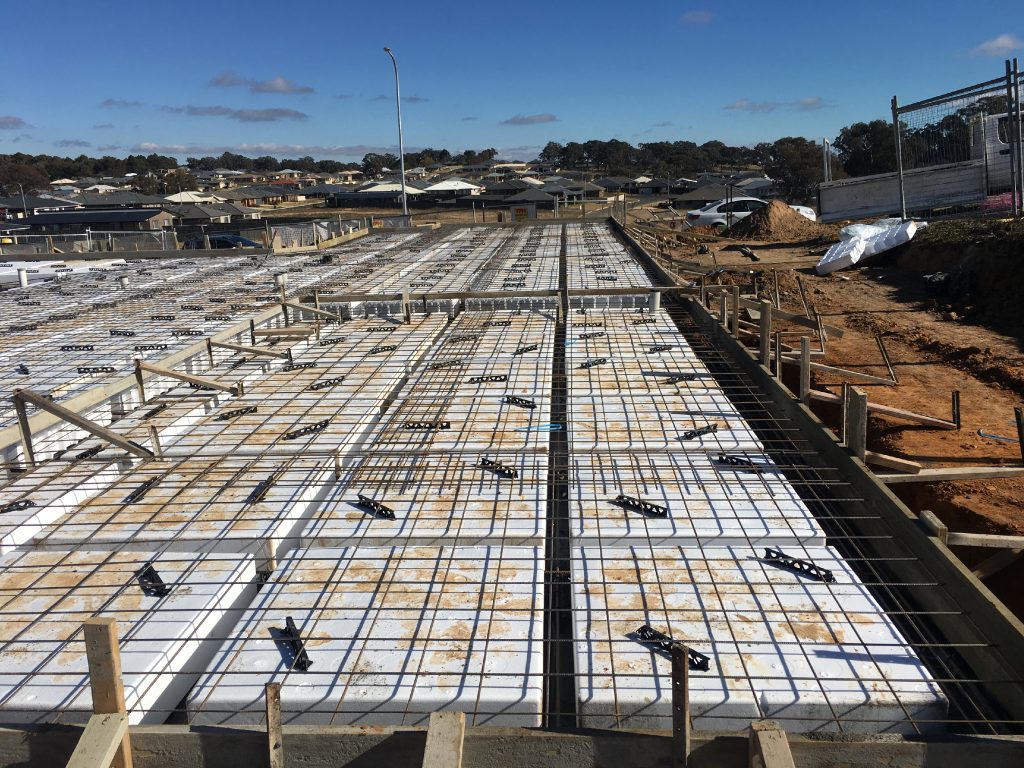
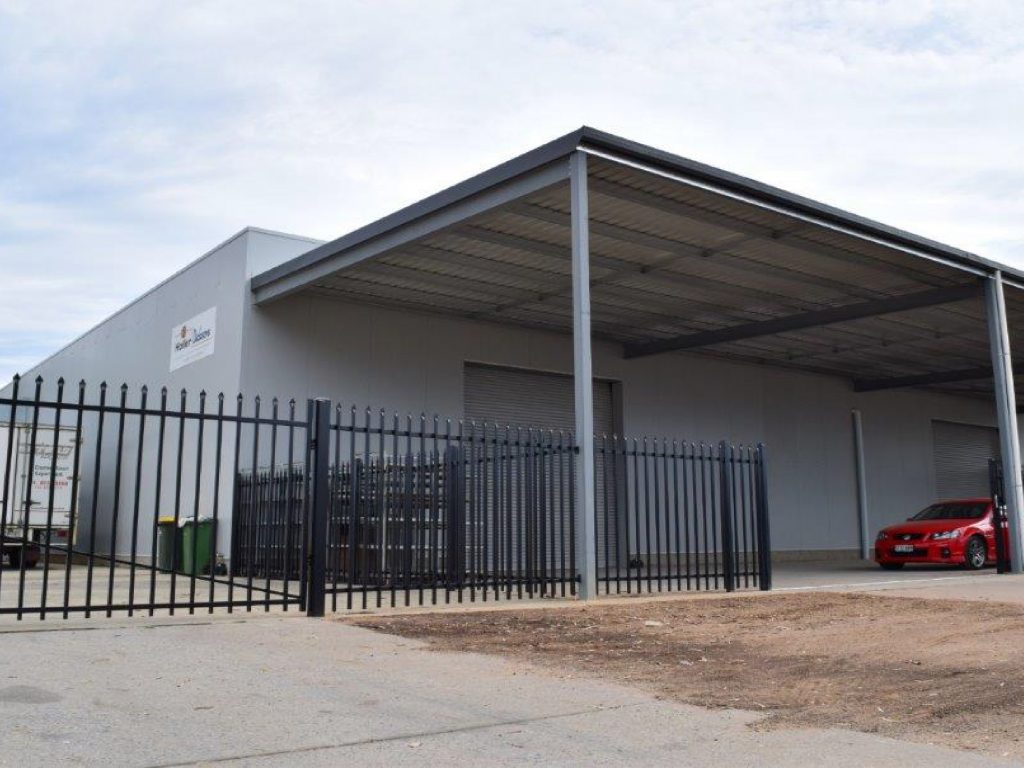

EPS Foam Bricks Delivered Across Australia
All EPS foam blocks and processed EPS products are manufactured at our Berri, South Australia, facility. Because EPS is almost entirely air by volume, freight costs remain low even on larger orders. We deliver into Adelaide and the surrounding areas daily, service the rest of South Australia, and ship interstate through freight partners covering Victoria, NSW, and the Northern Territory.
Enviroclad also produces coolroom panels at the same facility for temperature-controlled building applications.
What Do You Need Made?
Get in touch here or give us a call for anything from a single block to a full production run of CNC-cut profiles. Every order is manufactured to your specified dimensions and density.
Contact our team for a free, no-obligation quote.
